

For many homeowners, the final quote is built from a few major layers: the roofing material itself, the amount of labor required, whether the old roof has to be removed, whether damaged wood is discovered during tear-off, and how complex the roof is to access and rebuild correctly. That is why two homes with similar square footage can still receive very different estimates.
Roof installation cost in Los Angeles: 2026 quick answer
As a planning baseline, many residential roof installation projects in Los Angeles fall into a broad range of about $5 to $12 per square foot, with premium materials and more complex roofs moving higher. Homeowners should also expect to see several additional cost drivers inside a real estimate:
- Asphalt shingles often start in a lower price band, with material costs commonly around $3 to $5 per square foot.
- Metal roofing usually lands higher, often around $7 to $12 per square foot.
- Clay tile, slate, and other premium systems can exceed $15 per square foot.
- Removing an old roof can add about $1 to $5 per square foot depending on the existing material and condition.
- Permits and inspections can add roughly $500 to $1,500 depending on the project scope and location.
Those numbers are useful for planning, but they are not the whole quote. Underlayment, flashing, ventilation work, deck repairs, and access conditions can all move the final price upward.
Why one Los Angeles roof estimate can be much higher than another
The biggest price swings usually happen when the scope changes after the estimate moves past the headline number. A straightforward roof with easy access, a simple shape, and no hidden structural issues is naturally easier to price and install. A roof with multiple valleys, steep sections, skylights, dormers, chimneys, or difficult access usually requires more labor, more safety setup, and more detail work.
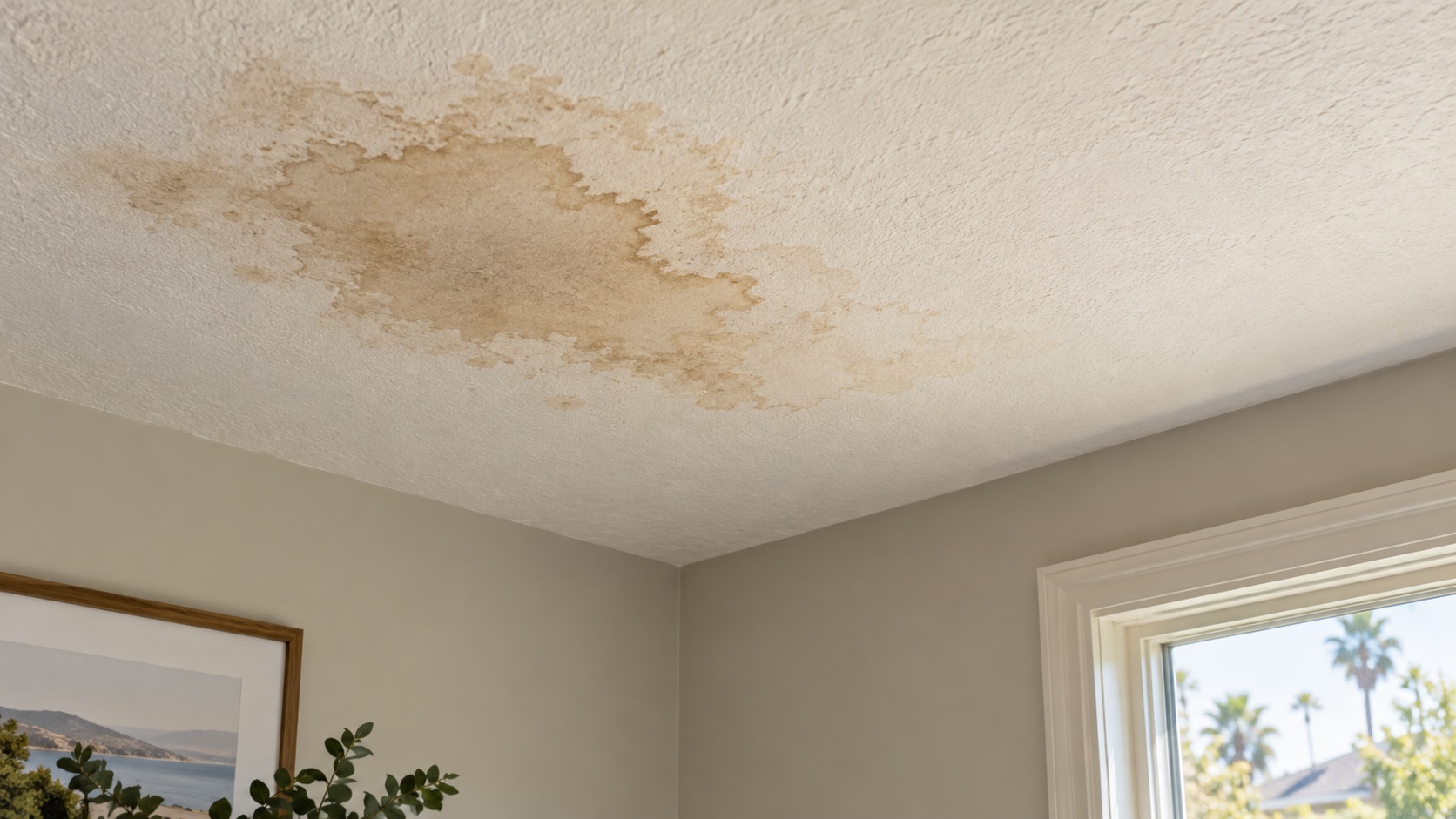
Tear-off is another major separator. If the crew has to remove aging roofing layers before the new system goes on, labor time, dump fees, and cleanup costs all increase. If deteriorated decking is uncovered once the old roof is removed, the project cost can rise again because the new roof should not be installed over compromised wood.
This is one reason homeowners in Los Angeles should compare scope, not just totals. A lower bid can look attractive until you realize it excludes tear-off, wood replacement, upgraded flashing, or ventilation corrections that another contractor already included.
Which roofing materials change the budget the most?
Material choice is still one of the clearest pricing levers in any roof installation project. For homeowners who want a lower upfront cost, shingle roofing is usually the first option to compare because it remains one of the more budget-friendly systems on the market.
For homeowners who want a longer-life, more architectural look, tile roofing usually requires a larger upfront investment, but it can make sense when durability, appearance, and Southern California style are priorities.
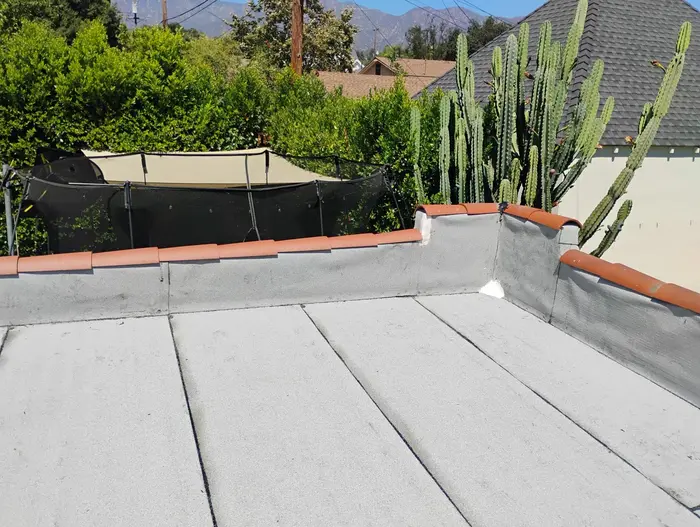
For low-slope sections, additions, garages, or modern rooflines, flat roofs bring a different pricing conversation. Waterproofing details, drainage planning, and membrane selection matter more, so the system should be priced by scope and performance, not by surface area alone.
The line items homeowners miss most often
A roofing estimate can look simple from the top line, but the real cost is often hidden in the line items. Homeowners should pay close attention to whether the bid includes tear-off, disposal, underlayment, flashing replacement, ventilation upgrades, permit handling, cleanup, and an allowance or unit price for damaged decking if it is found during the job.
Labor is also a major part of roof installation cost in Los Angeles. Skilled installation is not a minor detail. Even a better material can underperform if flashing transitions, edge details, or ventilation work are handled poorly. That is why a complete installation scope usually matters more than choosing the cheapest visible line on the proposal.
When repair still makes more financial sense
Not every roof problem calls for a full replacement. If damage is limited and the rest of the roof system still has usable life left, repair may be the better financial move. Homeowners comparing those two paths should review when roof repair is better than roof replacement in Los Angeles before committing to a full installation project.
How to compare estimates without overpaying
The best estimate is not necessarily the cheapest one. It is the one that is detailed enough to compare fairly. A strong proposal should clearly state the roofing system being installed, what happens to the existing roof, whether permits are included, how wood replacement is handled, what warranty coverage applies, and which cleanup and disposal steps are part of the job.
Homeowners should also ask whether the contractor is pricing a basic replacement or a more complete system rebuild with upgraded components. That difference alone can explain why two Los Angeles roof estimates are far apart even when they are written for the same home. If you want a clearer picture of what full-scope work should include, the roof installation service page is a helpful reference point.
Where 2026 homeowners can still save money
Timing still matters. Scheduling during lower-demand periods can sometimes reduce labor pressure compared with busier parts of the year. That does not guarantee a lower quote, but it can improve scheduling flexibility and, in some cases, pricing.
Energy-efficient upgrades can also affect the long-term math. Cool-roof options and other efficiency-focused materials may cost more upfront, but they can change operating costs over time. If you are exploring that route, verify any current rebate or tax-credit details before treating them as part of the budget.
There is also a cost-control angle after installation. Regular roof maintenance, early inspections, and smaller preventive repairs can help extend roof life and reduce the chance of larger surprise expenses later. If a contractor offers financing, compare the interest rate, term length, and total repayment cost rather than focusing only on the monthly payment. Warranty coverage should be reviewed the same way. A stronger manufacturer or workmanship warranty can justify a higher quote if the scope is truly better.
Bottom line for Los Angeles homeowners
In 2026, roof installation cost in Los Angeles should be treated as a layered estimate, not a single headline number. The major drivers are still material choice, labor, tear-off, permits, roof complexity, and any repairs uncovered once the old roof is removed.
The most useful quote is the one that tells you exactly what is included, what is conditional, and where extra costs could appear. That gives you a real basis for comparison and makes expensive change orders less likely once the project starts.
 WhatsApp
 Call Now